Key Points
• Tax proposal: At least MXN 20 per pack increase; from 2030 the specific quota would rise from MXN 0.6445 to MXN 1.1584 per cigarette; up to 200% tax on alternative nicotine products.
• Industry stance: Conainta says higher taxes have not proven to reduce consumption or increase revenues; IEPS receipts on manufactured tobacco fell 7% year over year in 2024 (MXN 50.4bn → MXN 46.9bn).
• Illicit-market risk: Concamin estimates illicit consumption could reach 50%, implying MXN 13–15bn in annual fiscal losses.
• Research data: The National Institute of Public Health reports a 240% surge in illicit cigarettes from 2017–2023 (8.5% → 20.4% of the market); El Colegio de México links the trade to organized crime, including drug trafficking, human trafficking, and money laundering.
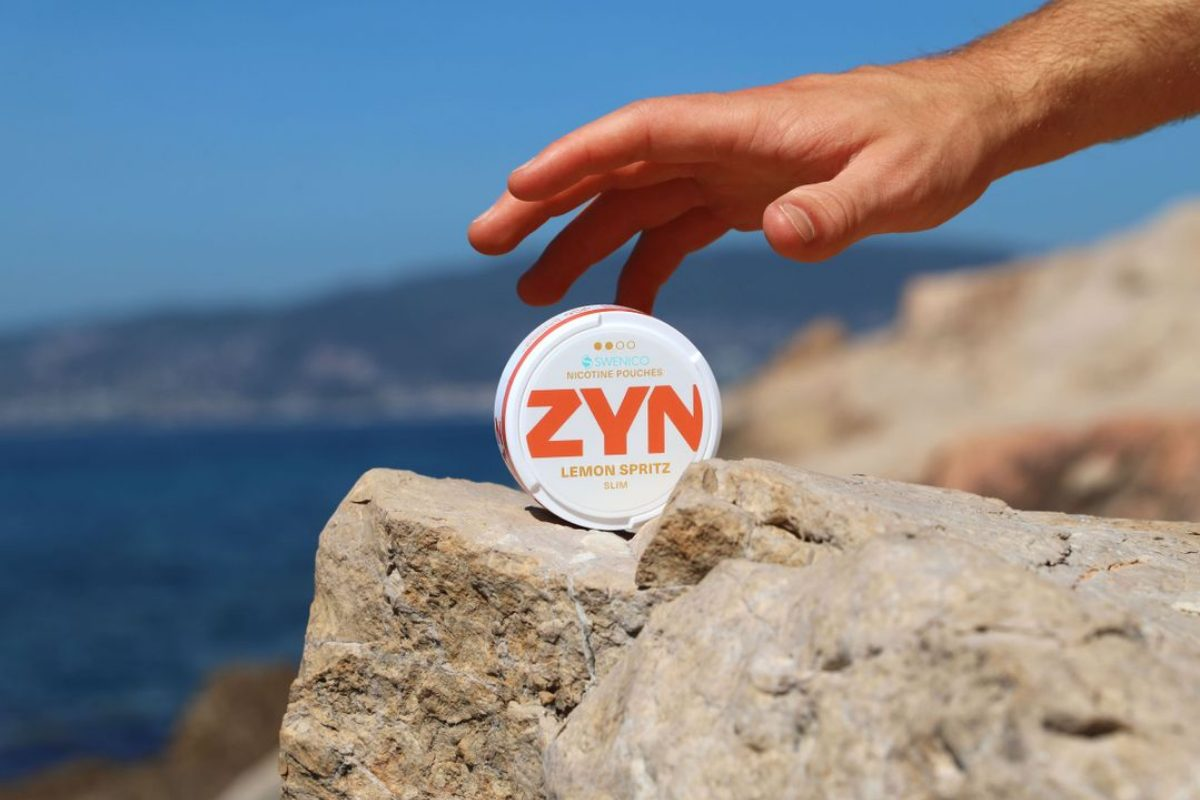
• Alternatives debate: A proposed 200% tax on products such as nicotine pouches drew criticism; industry argues these combustion-free products may emit “up to 99% fewer toxic substances.”
• Call to action: Industry urges Congress to pursue a “balanced” fiscal reform that advances public health, combats illicit trade, and maintains sustainable revenues.
2Firsts, September 22 2025 — From primerapersona's Report, Conainta has voiced concerns about a government bill submitted to Congress to raise IEPS on cigarettes and nicotine products by more than 30% from 2026. The proposal includes a minimum increase of MXN 20 per pack and, from 2030, an increase in the specific quota from MXN 0.6445 to MXN 1.1584 per cigarette. It also contemplates an excise of up to 200% on alternative nicotine products.
Conainta—whose members include Philip Morris Mexico, British American Tobacco, and Japan Tobacco International—argues that similar measures have not demonstrated effectiveness in reducing consumption or boosting revenue. Despite prior rate hikes, IEPS receipts on manufactured tobacco reportedly declined by 7% year on year, from MXN 50.4 billion in 2023 to MXN 46.9 billion in 2024.
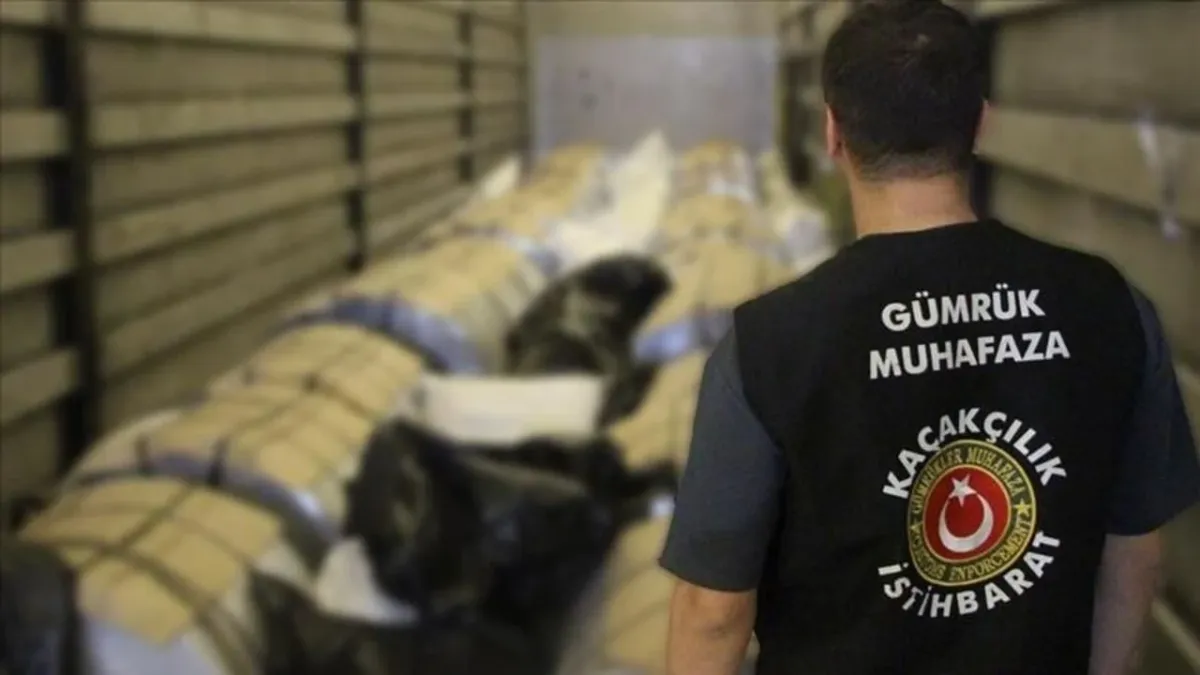
Illicit trade is a central concern. Concamin estimates that, if enacted, the reform could push illicit consumption to 50%, generating annual fiscal losses of MXN 13–15 billion. Supporting this outlook, the National Institute of Public Health reports that the illicit cigarette market expanded by 240% between 2017 and 2023, rising from 8.5% to 20.4% share. In parallel, an analysis by El Colegio de México says illicit tobacco has become a funding source for organized crime, with links to drug trafficking, human trafficking, and money laundering.
Debate also surrounds taxation of lower-risk alternatives. Industry stakeholders argue that products such as nicotine pouches are combustion-free and may produce “up to 99% fewer toxic substances,” warning that a 200% excise could undercut harm-reduction strategies. Sweden is cited as a reference case, where encouraging alternatives has been associated with a smoking rate near 5%.
Conainta has called on Congress to open dialogue and craft a balanced reform that jointly advances public health, constrains the illicit market, and protects sustainable fiscal revenues. It advocates tax design that accounts for market enforceability and administrative capacity, to avoid widening price gaps that could inadvertently bolster gray and black markets.
We welcome news tips, article submissions, interview requests, or comments on this piece.
Please contact us at info@2firsts.com, or reach out to Alan Zhao, CEO of 2Firsts, on LinkedIn
Notice
1. This article is intended solely for professional research purposes related to industry, technology, and policy. Any references to brands or products are made purely for objective description and do not constitute any form of endorsement, recommendation, or promotion by 2Firsts.
2. The use of nicotine-containing products — including, but not limited to, cigarettes, e-cigarettes, nicotine pouchand heated tobacco products — carries significant health risks. Users are responsible for complying with all applicable laws and regulations in their respective jurisdictions.
3. This article is not intended to serve as the basis for any investment decisions or financial advice. 2Firsts assumes no direct or indirect liability for any inaccuracies or errors in the content.
4. Access to this article is strictly prohibited for individuals below the legal age in their jurisdiction.
Copyright
This article is either an original work created by 2Firsts or a reproduction from third-party sources with proper attribution. All copyrights and usage rights belong to 2Firsts or the original content provider. Unauthorized reproduction, distribution, or any other form of unauthorized use by any individual or organization is strictly prohibited. Violators will be held legally accountable.
For copyright-related inquiries, please contact: info@2firsts.com
AI Assistance Disclaimer
This article may have been enhanced using AI tools to improve translation and editorial efficiency. However, due to technical limitations, inaccuracies may occur. Readers are encouraged to refer to the cited sources for the most accurate information.
We welcome any corrections or feedback. Please contact us at: info@2firsts.com